E-Réputation
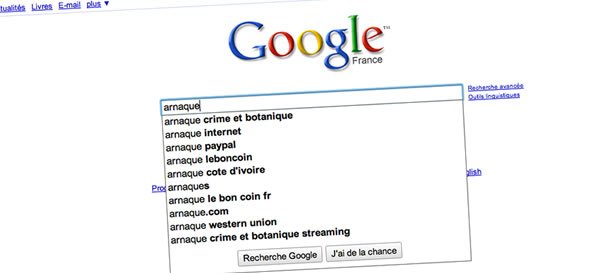
L’e-réputation est l’image que les internautes se font de votre marque ou de votre entreprise à travers les informations qu’ils trouvent sur Internet. Elle est directement impactée par votre présence en ligne, mais également par les conversations des internautes que l’on peut retrouver sur la toile. Divers outils et techniques nous permettent de mettre en place une veille efficace sur votre domaine et votre entreprise.
La maîtrise de votre e-réputation est capitale
Aujourd’hui, ceux qui s’intéressent à votre entreprise, votre marque ou vos produits vont certainement utiliser les outils de recherche pour avoir de plus amples informations. Il est donc important que les résultats qu’ils obtiennent soient le plus favorables possible, même lorsqu’il s’agit d’une situation délicate (un consommateur insatisfait par exemple).
Il est donc impératif de savoir écouter ce qui se dit sur vous, mais aussi de pouvoir prendre la parole quand cela s’impose (pour répondre à des critiques par exemple). Il est également nécessaire aujourd’hui de considérer les réseaux sociaux comme déterminants dans la surveillance de votre e-réputation.
Prenez soin de votre e-réputation !
L’équipe de Pullseo est là pour vous aider à mettre en place les outils pour analyser votre e-réputation, pour la suivre, et pour réagir efficacement. Nous vous aidons également à renforcer votre présence sur Internet pour vous permettre de tirer profit des outils de recherche pour votre e-réputation. La mise en place d’enquêtes ou de sondages en ligne est aussi un moyen efficace de connaître l’état de votre réputation.
Et les autres ?
La base d’une bonne stratégie est de se différencier. Pour ce faire, il est nécessaire d’être à l’écoute de ce qui se dit et ce qui se fait, non seulement sur votre entreprise, mais aussi chez vos concurrents ! Pullseo vous aidera à dresser un état des lieux, une analyse concurrentielle de votre secteur sur internet : vous maximiserez ainsi vos chances de proposer un service original !
Contactez-nous
Vous souhaitez nous poser une question ou nous faire part de votre projet ? Vous pouvez nous laisser un message ou nous contacter au 03.67.100.424